Everyday Kitchen Habits

A Quiet Morning Ritual: What Old Kitchens Knew About Biblical drink (oil)/ Honey blend

Long before apps and tracking sheets, home cooks reached for simple things like Biblical drink (oil)/ Honey blend as part of ordinary meals. This page looks at that old kitchen habit — the story, not a treatment.

Daily Habits  ·  Educational Content  ·  Everyday Nutrition  ·  Daily Habits

The Real Rhythm of a Day Spent Watching Your Plate

It’s not one big moment. It’s the small stuff, over and over, all day long.

Mornings That Start Already Tired

You wake up and the day already feels heavy before it's begun. Breakfast becomes one more decision you don't have energy for.

The After-Lunch Dip

Early afternoon hits and suddenly focus is gone. You're staring at a screen, or a to-do list, wondering where the energy went.

Too Many Rules, Not Enough Clarity

Every article says something different. Eat this, avoid that. By dinner, you're not sure what you're even allowed to like anymore.

The Mental Load of Every Single Meal

Breakfast, lunch, dinner, snacks — each one is a small negotiation. That adds up, quietly, day after day.

Myths vs Facts: The Everyday Food Talk

A lot of what gets repeated about food and blood sugar habits doesn’t hold up. Here’s a plainer look.

MYTH

All carbs act the same way, so they should all be avoided.

FACT

Carbs vary a lot. Whole food sources behave differently than refined ones, and what you pair them with often matters more than cutting them out.

MYTH

Fruit is basically sugar and should be off the table.

FACT

Whole fruit comes with fiber and water that change how it’s experienced in a meal. Whole fruit isn’t the same as fruit juice or candy.

MYTH

There’s a special ‘diabetic food’ category you’re supposed to buy.

FACT

Most everyday foods can fit into an ordinary meal pattern. There’s no single approved list — which is exactly why staying in touch with your doctor or a dietitian matters more than any label.

Three Old-Fashioned Meal Habits Worth Revisiting

Nothing complicated here — just habits that predate calorie counting.

01

Rethink the Order on the Plate

Some home cooks always served vegetables and protein before the bread or rice hit the table. Simple sequencing, nothing more.

02

Slow the Meal Down

Put the fork down between bites. Talk a little. Let the meal take fifteen minutes instead of five. It’s a rhythm, not a rule.

03

Move a Little After Eating

A short walk after dinner used to be ordinary, not exercise. It’s a habit, not a fix — and it doesn’t replace anything your doctor has already put in place for you.

A Recipe Passed Down, Not a Remedy Prescribed

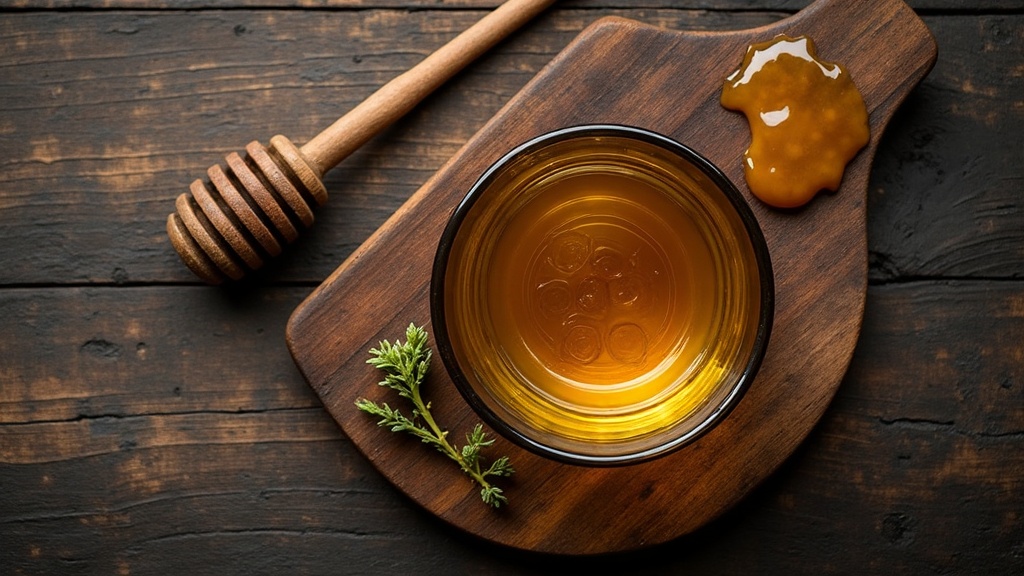
In many old kitchens across the Mediterranean and the Middle East, olive oil and honey sat side by side on the same shelf. They were stirred into warm water in the evening, drizzled over flatbread, or spooned together as a simple after-dinner treat. Grandmothers passed the combination down the way they passed down bread recipes — by memory, not by measurement. It shows up in old cookbooks and older stories, always as food, always as something shared at the table.

This page is about that kitchen story — where Biblical drink (oil)/ Honey blend came from and how it was used at the table, not about what it does inside the body. If you’re curious how something like it might fit your own kitchen, that’s a conversation about cooking. Any change to your health routine belongs in a separate conversation — with your doctor.

Six Everyday Moments Worth Mentioning to Your Doctor

Energy That Swings More Than Usual

If your energy feels like it's on a rollercoaster more days than not, that's worth bringing up at your next appointment.

Meals That Leave You Uncomfortably Full or Foggy

Feeling unusually heavy or unfocused after eating, more than what feels normal for you, is a good thing to describe to your care team.

Skipping Meals Because Planning Feels Overwhelming

If meal planning has become so stressful you're skipping meals altogether, tell the professional who oversees your care — they can help you find a workable routine.

Noticeable Changes in Appetite or Thirst

Any big, unexplained shift in hunger or thirst deserves a conversation with your doctor rather than a guess on your own.

New Habits You Haven't Mentioned to Your Care Team

Started a new routine, food, or supplement recently? It's worth mentioning at your next visit, just so your full picture is up to date.

Questions About Timing Around Medication and Meals

If you're ever unsure how a meal or a new habit lines up with your prescribed treatment, ask your doctor or pharmacist directly — never guess.

Stories About Routine, Not About Numbers

I used to dread figuring out dinner every single night. Now I just think about order on the plate first, and somehow the rest falls into place easier.

Helen Marsh
Illustrative account
The walk after dinner became a family thing, not a chore. It's small, but it changed the feel of our evenings.
Tomás Reyes
Illustrative account
Slowing down at meals sounds so simple, but it took me months to actually do it. My kitchen feels calmer now, honestly.
Priya Anand
Illustrative account

These are individual experiences shared for illustrative purposes only. Names are fictional composites. Results and experiences vary from person to person, and none of this reflects clinical outcomes, lab results, or medication changes.

Common Questions

No. This page shares its kitchen history and traditional culinary use as food — not as a treatment for any condition. Decisions about your care belong with your doctor.

No. Never stop, reduce, or adjust any prescribed treatment or medication without talking to your healthcare provider first.

No. This is educational content about everyday eating habits, not medical guidance, and it isn’t meant to diagnose or treat anything.

Not based on what’s shared here. Whole fruit is different from processed sugar, but any specific dietary question is best directed to your doctor or dietitian.

Bring a Little Order Back to Your Kitchen Routine

This isn’t a fix. It’s old habits, simple meals, and staying close to the people who guide your care. Keep your appointments, keep your prescribed treatment exactly as directed, and let this be just one small piece of an everyday routine.

Advertising Disclosure: This page contains sponsored content and affiliate links. We may receive compensation if you click a link or make a purchase through links on this page. This helps support the content but does not influence our editorial perspective.

Content Disclaimer: This content is for educational purposes only. It has not been evaluated by the FDA and is not intended to diagnose, treat, cure, or prevent any disease. It is not a substitute for professional medical advice, diagnosis, or treatment. Always consult a qualified healthcare professional before changing your diet, routine, or any prescribed treatment.

Results Disclaimer: Individual results vary. Testimonials reflect personal experiences and are not a guarantee of similar outcomes for any reader.

© 2026 · All Rights Reserved